 Listicle
Durable Interior Upgrades for Classic Hot Rods That Last
Last Updated: November 15, 2026
Quick Summary
Durable interior upgrades for classic hot rods are replacement or custom components chosen for material longevity, fit, and wear resistance first, with styling second. Prioritize high-wear surfaces like seats, carpet, and door panels, then choose materials built to last and confirm fitment before ordering.
- Leather lasts 8-12 years with care but needs conditioning twice yearly and cracks if dried out.
- ABS or water-resistant door panel backing holds its shape far longer than raw fiberboard.
- Stainless steel resists scratches, rust, and fading, holding its finish for decades.
- Dash pads crack from UV exposure and heat cycling, so a UV-resistant cover or quality replacement pad prevents splits.
- Handle panels, carpet, and trim yourself, but budget professional labor for seat upholstery and headliners.
Table of Contents
- Why Durable Interior Upgrades for Classic Hot Rods Matter More Than Looks
- Classic Car Interior Upholstery: Materials That Hold Up
- Hot Rod Door Panel Kits and Door Trim That Survive Daily Use
- Hot Rod Interior Trim: Dash, Console, and Metal Accents
- Carpet, Headliners, and Lighting: The Overlooked Durability Layers
- Durable Interior Upgrades for Classic Hot Rods Cost: What to Budget
- Fitment Checks and Installation Tips Before You Order
- Browse American Car Craft's Stainless and Carbon Fiber Upgrades
- Frequently Asked Questions
Why Durable Interior Upgrades for Classic Hot Rods Matter More Than Looks
A complete street rod build with mild modifications typically runs $30,000 to $50,000, according to Woodside Credit's hot rod cost breakdown.
Durable interior upgrades for classic hot rods are replacement or custom interior components chosen for material longevity, fit, and wear resistance first, with styling second.
Below, we break down each interior zone by how well it holds up, what it costs, and how to check fitment before you order.
Classic Car Interior Upholstery: Materials That Hold Up
Classic car interior upholstery is the seat covering, foam, and stitching that take the most physical abuse in any build. Material choice decides whether your seats look sharp at year ten or year two.
Here is how the three main options compare on durability:
| Material | Wear Life | Heat & Sun | Maintenance | Cost Level |
|---|---|---|---|---|
| Leather | 8-12 years with care | Cracks if dried out | Condition 2x yearly | High |
| Vinyl | 5-10 years | Fades in direct sun | Wipe clean | Low to mid |
| Cloth | 4-8 years | Fades, stains | Spot clean, stains set | Low |
Leather vs. Vinyl vs. Cloth: Durability Ratings
Leather wins on longevity when you maintain it, but it demands conditioning and hates baking in a closed car. Vinyl handles spills and sun better than cloth and costs less than leather.
For a driver, we lean vinyl or a leather-vinyl mix. For a show car kept indoors, leather pays off. The mistake we see most: buying bargain vinyl with thin backing that splits at the seams within a season.
Hot Rod Door Panel Kits and Door Trim That Survive Daily Use
Hot rod door panel kits fail at the edges and around the handles, not in the middle.
Fiberboard-backed panels warp when they get damp. ABS or water-resistant backing holds its shape far longer, and it is the single upgrade we would make first.
- Backing material: ABS or coated board over raw fiberboard
- Fasteners: metal clips over plastic tabs
- Trim edges: sealed or wrapped, not stapled and exposed
Door trim and door pulls take constant hand contact. Stainless or billet pulls outlast plastic by years and clean up with a wipe.
Hot Rod Interior Trim: Dash, Console, and Metal Accents
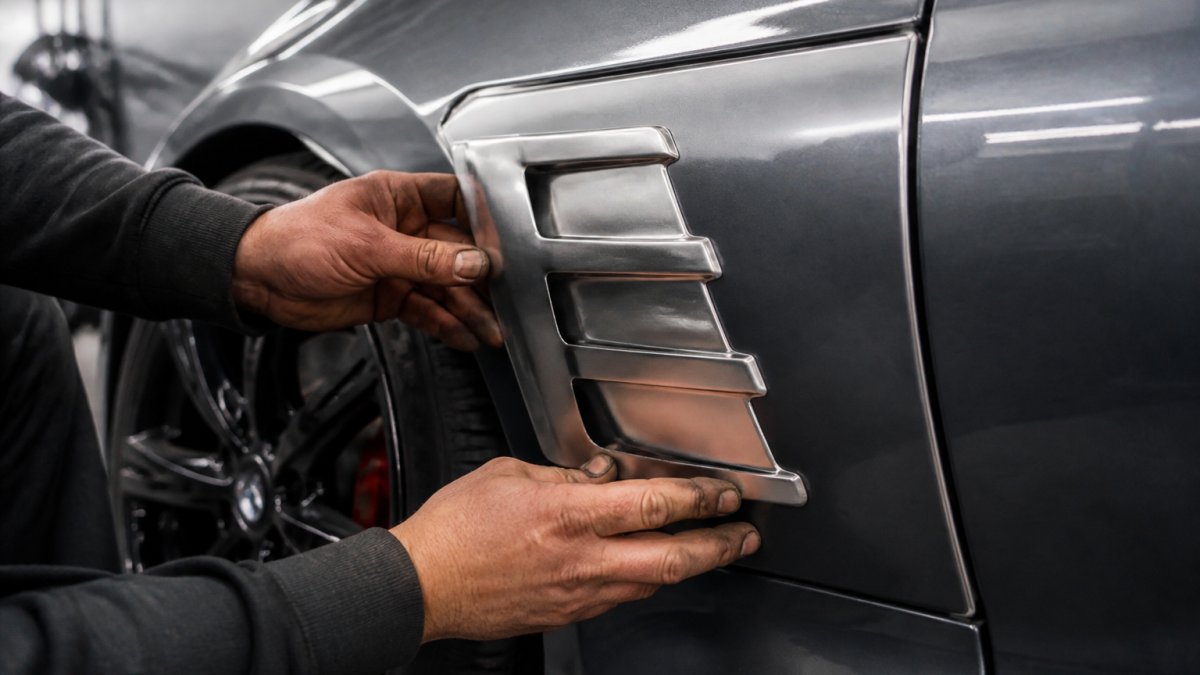
Hot rod interior trim covers the dash panels, dash pads, bezels, knobs, and metal accents that define the cabin's character. This is where durability and style overlap most, and where cheap parts show their age fastest.
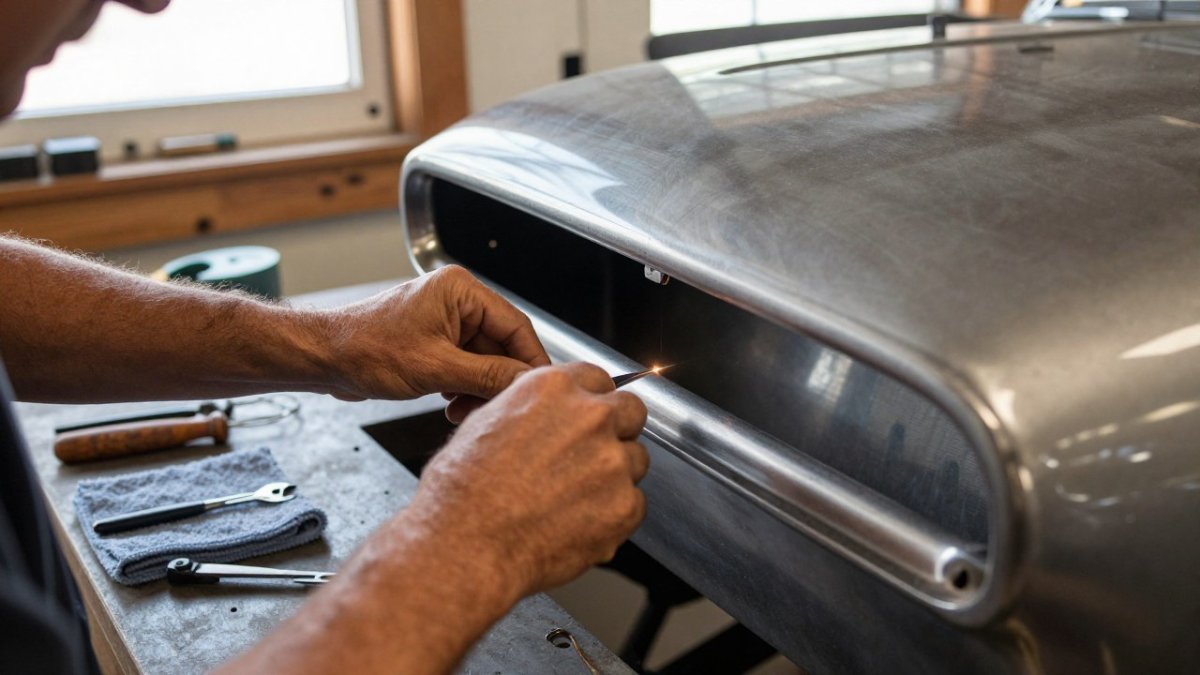
How Each Trim Material Holds Up
- Stainless steel: Resists scratches, rust, and fading, and holds a brushed or polished finish for decades. It is heavier than plastic and costs more up front, but it is the material least likely to need replacing. Stainless steel holds its finish well over time.
- Billet aluminum: Strong and machinable, with a finish that can be anodized or brushed. It is lighter than stainless and popular for knobs, bezels, and shift plates, but bare aluminum oxidizes and needs a coating or periodic polish.
- Carbon fiber: Delivers a modern look with real structural rigidity and resists fatigue better than plastic. Clear-coated carbon fiber can yellow under long UV exposure, so look for UV-stable resin or a ceramic clear coat.
Dash Pads and Bezels: The UV Problem
Dash pads crack from UV exposure and heat cycling, not from use. A padded dash left in the sun can split at the seams within a few summers.
Bezel and knob sets should fit your gauge layout exactly. Universal bezels leave gaps around gauges, and gaps collect dust and rattles. Look for bezels machined to your gauge diameter and knobs with a metal core rather than a plastic thread that strips after a few removals.
Console and Shift Trim
Console lids and shift plates take elbow and hand contact every drive. Vinyl-wrapped lids wear through at the front edge first; a stitched leather or vinyl-over-hardboard lid lasts longer and can be re-covered.
If you are adding stainless or metal accents, learn how to clean stainless steel car parts safely so the finish stays sharp for years.
Watch out: low-quality interior materials can actively reduce a classic's value, a risk Studio Hotrods flags in its interior design guidance.
Carpet, Headliners, and Lighting: The Overlooked Durability Layers
Carpet, headliners, and lighting are the layers owners forget, and the ones that quietly fail.
Headliners sag when the backing foam breaks down. A quality replacement with proper backing holds tension for years. Package trays and floor mats protect the carpet beneath and take the abuse instead.
Lighting deserves equal attention. Modern wiring harnesses, LED bulbs, and digital gauges are the foundation of interior reliability, per Hot Rod Hardware.
Durable Interior Upgrades for Classic Hot Rods Cost: What to Budget
The cost of durable interior upgrades for classic hot rods depends on scope, materials, and whether you install yourself. Pricing depends on scope, materials, and delivery; contact American Car Craft for current pricing or a quote.
Because material and labor pricing varies by vehicle and supplier, get current quotes rather than budgeting from a single figure. Plan by priority:
- Safety and reliability first: wiring, lighting, seat structure
- High-wear surfaces: seats, carpet, floor mats
- Style and trim: dash accents, bezels, metal pieces
DIY vs. Professional Installation Labor
Most trim, door panels, and lighting are genuine DIY jobs with basic hand tools. Seat upholstery and headliners are the exceptions. Stretching vinyl or leather without wrinkles takes skill and a steamer, and a bad job looks worse than worn original. Budget professional labor for those two, and handle panels, carpet, and trim yourself to save money.
Fitment Checks and Installation Tips Before You Order
Fitment is where most interior orders go wrong. Universal parts rarely align cleanly on a specific year and model, and gaps show immediately. The top-ranking parts catalogs list what they sell but rarely explain how year, make, model, body style, and prior modifications change what actually fits. This section covers that gap.
What Changes Fitment on a Classic Hot Rod
- Year, make, and model: Interior dimensions can change from one model year to the next, and body style affects how parts fit.
- Body style: Two-door, four-door, hardtop, convertible, and station wagon bodies have different door lengths, window openings, and rear quarter trim. Always confirm body style, not just year and model.
- Prior modifications: A chopped top, a channeled body, a custom firewall, or a swapped dash changes the geometry the factory parts were built for. If the car has been modified, measure the opening before ordering and ask the seller whether the part is designed for a stock or modified body.
- Aftermarket seats and consoles: A replacement seat with a different cushion height changes where the console, shift plate, and door armrest land. Test-fit the seat before ordering trim that surrounds it.
Run This Checklist Before You Buy
- Confirm year, make, model, and body style with the seller
- Check whether the part is vehicle-specific or universal
- Ask for the mounting pattern or template
- Verify fastener and clip compatibility
Test-fit everything before you commit to adhesive or drilling. Once a panel is glued or a hole is drilled, returns get complicated.
Installation Difficulty by Part
Most trim, door panels, and lighting are genuine DIY jobs with basic hand tools. Seat upholstery and headliners are the exceptions. Stretching vinyl or leather without wrinkles takes skill and a steamer, and a bad job looks worse than worn original. Budget professional labor for those two, and handle panels, carpet, and trim yourself to save money.
- Door panels and trim: Hand tools, clip tools, and a trim removal set. A few hours per door.
- Carpet: Molded carpet drops in; cut-and-glue carpet needs trimming and adhesive and is easy to misalign.
- Headliners: The hardest DIY job in the interior. Bows, tension, and adhesive placement all affect the result.
- Seat upholstery: Hog rings, a steamer, and patience. Most owners farm this out.
Safety and Usability Checks
Style upgrades should not compromise everyday driving. Before final installation, confirm that seat-belt access is not blocked by a new console or armrest, that the driver can reach every control without stretching, that the view through the windshield and side glass is not obstructed by a new dash pad or visor, and that every panel and console is mounted with metal fasteners into solid material rather than self-tapping screws into plastic.
Watch out: a part that fits the opening but not the hardware is the most common return. Confirm clip and fastener compatibility before you order, not after the box arrives.
Browse American Car Craft's Stainless and Carbon Fiber Upgrades
Durability and show-car style do not have to compete. American Car Craft handcrafts premium stainless steel and carbon fiber automotive accessories in Hudson, Florida, USA.
The right interior upgrades protect your investment and keep your hot rod looking sharp for years, not seasons.
Get started with American Car Craft and give your classic hot rod the durable, show-ready interior it deserves.
Frequently Asked Questions
How much does it cost to restore the interior of a classic car?
The interior is a meaningful slice of a classic street rod build's total cost. Upholstery, door panels, carpet, headliner, and trim each carry separate material and labor costs. For durable interior upgrades for classic hot rods, cost depends on material tier (vinyl versus leather), whether you buy pre-cut kits or custom fabrication, and whether you install yourself. Pricing depends on quantity, dates, and delivery, so request a quote from American Car Craft for exact figures.
Which upholstery materials hold up best in a classic car?
Marine-grade vinyl and leather are the two most durable choices for classic car interior upholstery. Vinyl resists sun fading, spills, and abrasion at a lower cost, while leather offers better breathability and a premium feel but needs conditioning to avoid cracking. Cloth is comfortable but stains and wears faster in open-window hot rods. Whichever you pick, the backing material and stitching quality matter as much as the surface, so ask suppliers how the cover is constructed before ordering.
What should I upgrade first in a classic hot rod interior?
Start with the items you touch and see most: seat upholstery, door panels, and the dash pad. These set the visual tone and absorb the most wear. After that, add carpet and a headliner to cut noise and heat, then finish with trim, bezels, and lighting. Modern wiring harnesses, LED lighting, and digital gauges can support interior reliability, so plan electrical upgrades alongside cosmetic ones rather than after.
Are aftermarket interior kits a good choice for a hot rod?
Aftermarket kits are a good choice when they are vehicle-specific and made from durable materials. A hot rod door panel kit or pre-cut carpet set saves fabrication time and usually fits better than universal parts. The risk is low-quality kits with thin backing or imprecise cutouts that need trimming. Check fitment notes for your exact year and model, confirm the material grade, and favor suppliers who publish dimensions and installation guidance. Precision laser-cut parts reduce the trimming work that generic kits often require.
How do I make a classic car interior more durable?
Use materials rated for UV and abrasion, seal seams and edges, and keep the cabin dry. Add a UV-blocking window film or park in shade to slow fading. Wipe vinyl and leather monthly with a pH-neutral cleaner, and condition leather twice a year. Replace worn pedal pads and shifters early so grit does not spread to carpet. For metal trim, stainless steel and carbon fiber are durable options for cars that see regular driving and car show travel.