 blog
How to Choose Stainless Steel vs Plastic Interior Trim
Last Updated: November 19, 2026
Quick Summary
Stainless steel trim outperforms cheap plastic interior trim on finish retention, cracking resistance, and corrosion resistance, while plastic wins on upfront cost. Plastic fades, scratches, and dulls over time, whereas stainless steel holds its finish and can be polished or refinished. Choose plastic for budget builds and daily drivers, and stainless steel trim for show cars and long-term builds.
- Plastic components held the largest market share at 34.06% of the automotive interior trim parts market in 2026.
- The automotive plastic interior trim market was estimated at USD 28.88 billion in 2026, projected to reach USD 39.06 billion by 2035.
- Clean the mounting surface with isopropyl alcohol and let it dry fully before installing stainless steel car trim.
- Hold firm pressure for 30 seconds per section to set the adhesive bond, and avoid washing for 24 hours.
- Abrasives and chlorides can scratch or pit stainless steel trim, so skip harsh products when cleaning.
Table of Contents
- What Cheap Plastic Interior Trim Actually Is
- What Stainless Steel Trim Brings to an Interior
- Stainless Steel Trim Durability vs Plastic Wear
- Heat, Drying, and Noise: What the Material Changes
- Upfront Cost vs Lifecycle Value
- Stainless Steel Car Trim Installation Step by Step
- How to Clean Stainless Steel Car Trim
- Browse Stainless Steel Trim for Your Build
- Frequently Asked Questions
What Cheap Plastic Interior Trim Actually Is
Cheap plastic interior trim is molded thermoplastic cladding, usually ABS or polycarbonate, used for dashboard bezels, door panels, console plates, and pillar covers. It is the default material in most mass-market vehicles because it is inexpensive to mold and light in weight.
Plastic's hold on the category is real. According to Fortune Business Insights' 2026 automotive interior trim parts analysis, plastic components held the largest market share at 34.06% of the automotive interior trim parts market in 2026.
The material's advantages are genuine: it is rust-proof, easy to form into complex shapes, and cost-effective at volume. The weakness shows up over time. Molded plastic scratches into a dull haze, fades under UV exposure, and develops a hollow, tinny feel that no amount of dressing fully hides.
That gap between "looks fine on the lot" and "looks fine at a show" is exactly where this comparison matters.
What Stainless Steel Trim Brings to an Interior
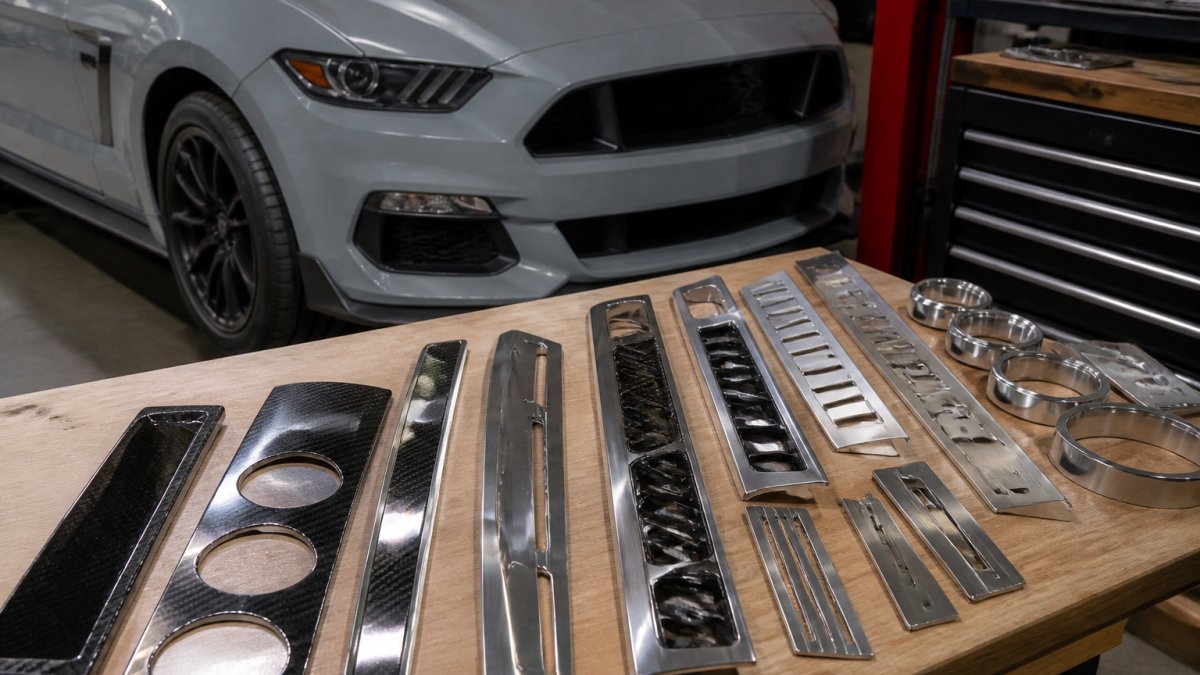
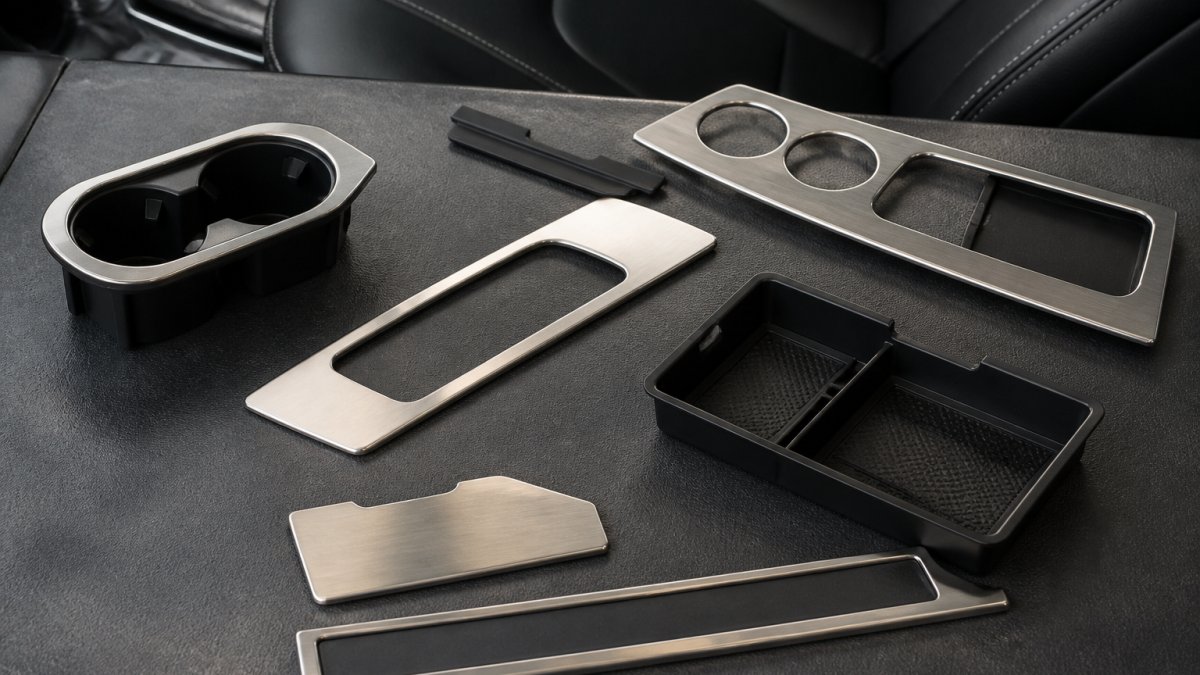
Stainless steel trim is precision-formed metal cladding that delivers a genuine metallic surface, real structural rigidity, and a finish that resists fading and discoloration. It changes how an interior reads: reflective, deliberate, and finished.
The market is moving this direction. The automotive plastic interior trim market was estimated at USD 28.88 billion in 2026 and is projected to reach USD 39.06 billion by 2035, per Market Research Future's 2026 interior trim forecast. Buyers are spending more on interior materials, and metal is capturing a growing share of the premium end.
Two properties separate it from plastic:
- Corrosion resistance. Stainless resists rust without a coating that can chip away.
- Finish retention. A brushed or polished surface can be restored; faded plastic cannot.
For a show car, that difference is the whole point.
Stainless Steel Trim Durability vs Plastic Wear
Stainless steel trim durability comes down to hardness and surface integrity.
Stainless steel wear behavior has been studied extensively in medical applications, and FDA-reviewed research on stainless steel wear debris found little local or systemic effect, which speaks to the material's stability under friction.
For owners weighing long-term upgrades, our article on durable interior upgrades for classic hot rods covers how material choice affects longevity.
Heat, Drying, and Noise: What the Material Changes
Material choice does not just change looks. It changes how an interior behaves in daily use, and the honest way to compare the two is to separate what the material actually does from what the rest of the assembly does.
Heat retention and drying. Metal and plastic handle heat differently. Stainless steel conducts heat readily, so a metal surface warms faster and releases that heat faster once the source is gone. Molded plastic is a poor conductor, so it holds surface warmth longer and can keep moisture clinging to a textured grain. That matters because drying is not a material-only event. In a dishwasher, for example, condensation drying relies on the tub and dishes staying hot while water drains away, while heated drying adds an element and a fan. Rinse aid changes how water sheets off surfaces, and cycle settings change how long the final dry runs. A stainless tub can support condensation drying because the metal retains heat and helps moisture condense and drain, but the material alone does not guarantee dry dishes. A plastic tub paired with a heated dry cycle and rinse aid can post strong results too.
Upfront Cost vs Lifecycle Value
Here is how the two compare across the factors that actually decide the purchase:
| Factor | Cheap Plastic Trim | Stainless Steel Trim |
|---|---|---|
| Upfront cost | Lower | Higher |
| Appearance over time | Fades, scratches, dulls | Retains finish, can be polished |
| Cracking resistance | Cracks at flex points | Resists cracking |
| Corrosion | Rust-proof but coating-dependent | Inherently corrosion resistant |
| Repair | Replace the part | Refinish the surface |
| Cleaning risk | Harsh chemicals streak or etch | Abrasives and chlorides can scratch or pit |
| Best for | Budget builds, daily drivers | Show cars, long-term builds |
Pricing depends on the specific piece and your vehicle. For current prices or a quote, visit American Car Craft's website.
Stainless Steel Car Trim Installation Step by Step
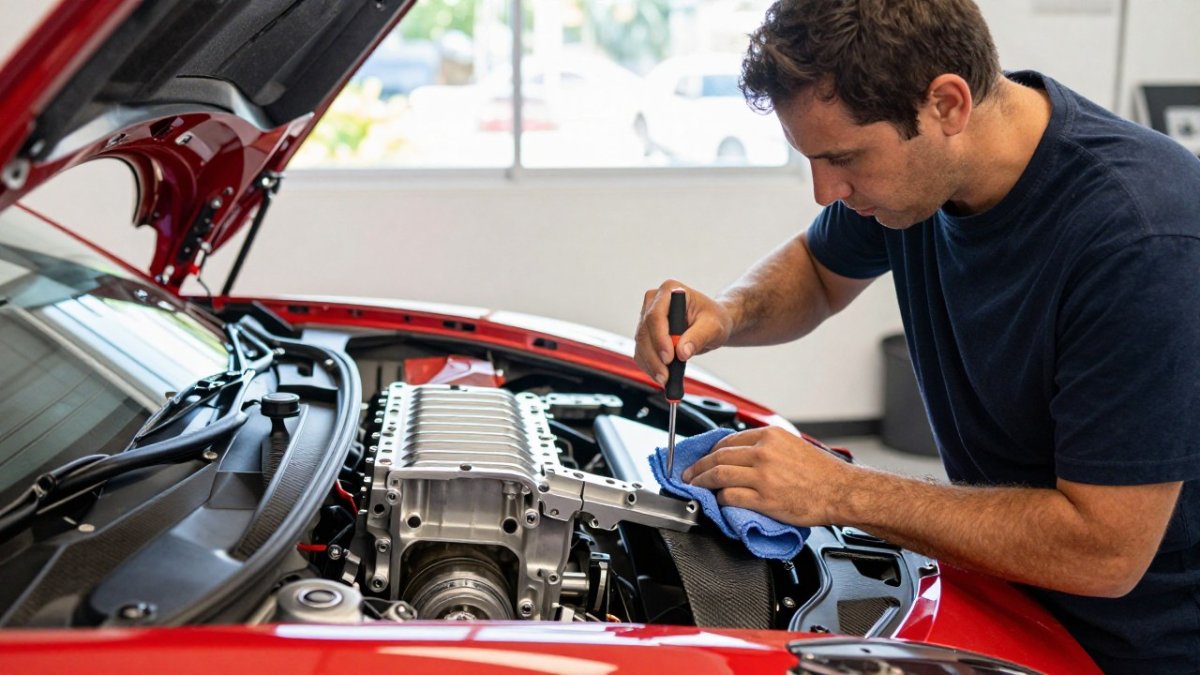
Stainless steel car trim is designed for easy do-it-yourself installation.
Here is the process we recommend:
- Clean the surface. Wipe the mounting area with isopropyl alcohol and let it dry fully.
- Test-fit dry. Align the piece before removing any backing to confirm orientation.
- Warm the adhesive. A hair dryer on low softens the backing for better grip in cool weather.
- Peel and place. Remove backing gradually, pressing from center outward.
- Apply firm pressure. Hold 30 seconds per section to set the bond.
- Avoid washing for 24 hours. Let the adhesive cure.
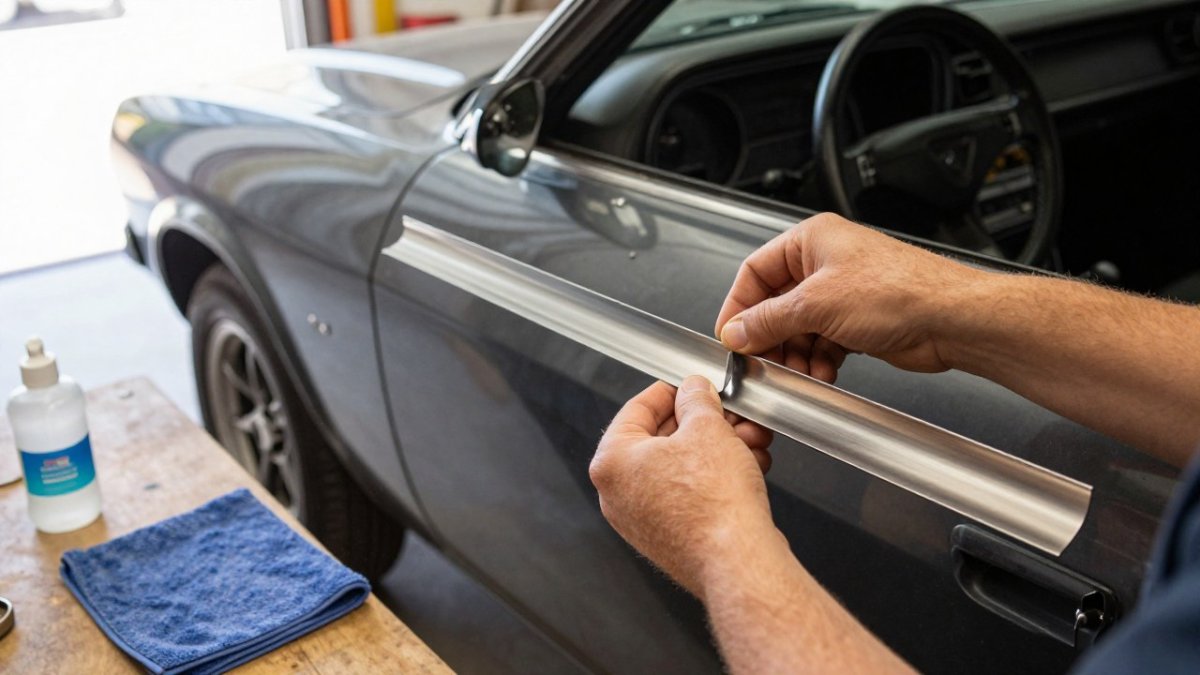
Fitment is the variable that decides the result. Our laser-cut automotive parts guide explains why precision cutting matters for installation.
How to Clean Stainless Steel Car Trim
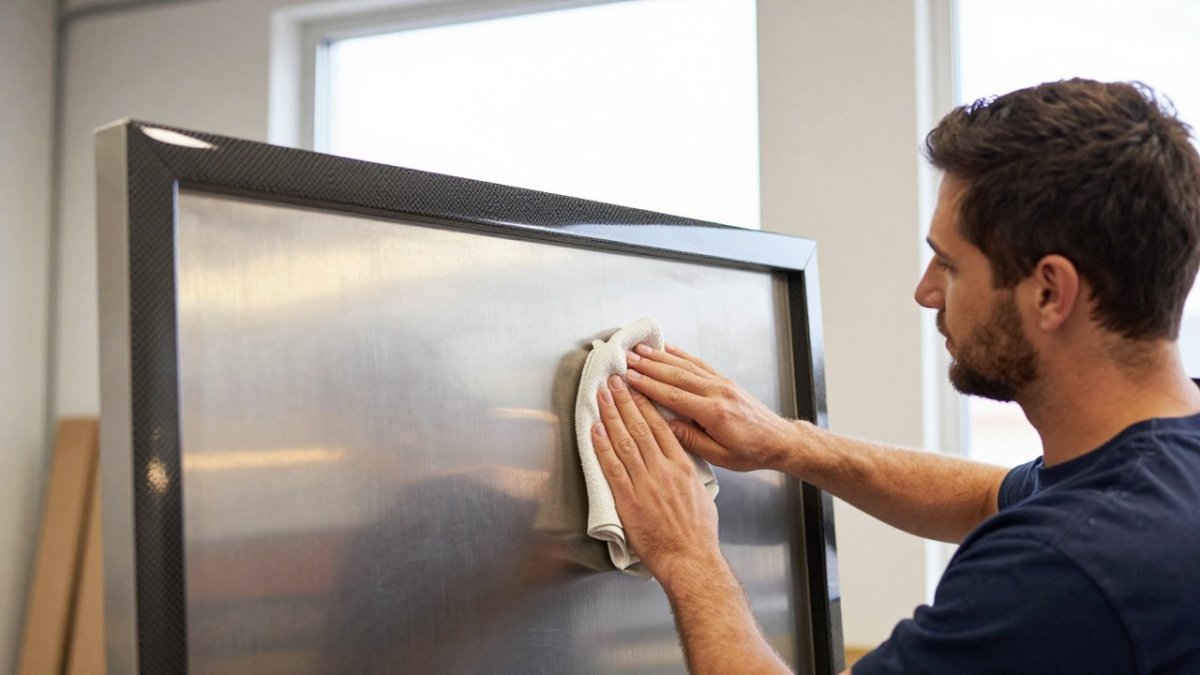
Full safe-cleaning guidance, including which products to skip, is in our article on how to clean stainless steel car parts safely.
Browse Stainless Steel Trim for Your Build
The choice between stainless steel vs cheap plastic interior trim comes down to what you want the car to be in five years.
At American Car Craft, we have handcrafted premium stainless steel and carbon fiber accessories for over 30 years, laser-cut to exact dimensions and officially licensed by General Motors, Ford, and Mopar.
Browse our stainless steel trim collection to find pieces for your vehicle, and see the difference precision makes.
Plastic will get you on the road. It will not get you on the podium. If your build deserves an interior that holds its finish season after season, start with parts engineered to fit the first time. American Car Craft offers precision laser-cut stainless steel trim, officially licensed designs, and handcrafted construction backed by three decades of show-car work. Get started with American Car Craft and give your interior the finish it has been missing.
Frequently Asked Questions
Is stainless steel interior trim better than plastic in a car?
It depends on what you want from the part. Plastic is generally lighter and cheaper to mold, which is why it is the common default in mass-market vehicles. Stainless steel trim is a metal option with a genuine metallic finish. For show cars and long-term builds, stainless steel can suit owners who want that look; for budget commuters, plastic is the practical pick.
How does stainless steel trim durability compare with plastic over time?
Stainless steel trim durability depends on how it is cleaned and cared for. Stainless steel can still pick up surface scratches from abrasive cleaners, so gentle cleaning methods are the safer choice.
Is stainless steel car trim difficult to install?
Stainless steel car trim is designed for easy do-it-yourself installation. Precision-cut pieces are made to exact dimensions, so careful alignment before application is the key step.
How do you clean and maintain stainless steel interior trim?
Stainless steel trim is best cleaned gently. Avoid abrasive pads, since they can scratch the surface, and follow the care guidance included with your product.