 Ultimate guide
Custom Stainless Steel Accessories for Exotics: A Buyer's Guide
Last Updated: November 24, 2026
Quick Summary
Custom stainless steel accessories for exotics are made-to-fit trim, engine bay, interior, and exterior components fabricated from automotive-grade stainless rather than mass-produced plastic or chrome-plated parts. Each piece is laser-cut and finished to the dimensions of a specific platform, so fitment separates a real custom part from a generic add-on.
- Stainless steel is best for engine bay, door sills, and exterior brightwork; carbon fiber suits interior and aero accents.
- Confirm the alloy (304 or 316), thickness, passivation step, and finish level before approving a quote.
- Passivation after cutting and welding restores the chromium-oxide layer and prevents early rust.
- Brushed or satin finishes hide fingerprints and scratches, making them practical for high-touch areas like door sills.
- American Car Craft handcrafts accessories in Hudson, Florida, with over 30 years of experience.
Table of Contents
- What Counts as Custom Stainless Steel Accessories for Exotics
- Stainless Steel vs. Carbon Fiber Car Accessories: Which Suits Your Build
- Choosing the Right Stainless Grade and Finish
- Custom-Fit Exotic Car Parts: How Fitment Actually Works
- How to Install Stainless Steel Car Trim at Home
- Pricing: Custom Fabrication vs. Off-the-Shelf Stainless Steel Automotive Accessories
- Caring for Stainless Trim Through Show Season and Beyond
- Ordering Made-to-Fit Trim for Your Exotic
- Frequently Asked Questions
What Counts as Custom Stainless Steel Accessories for Exotics
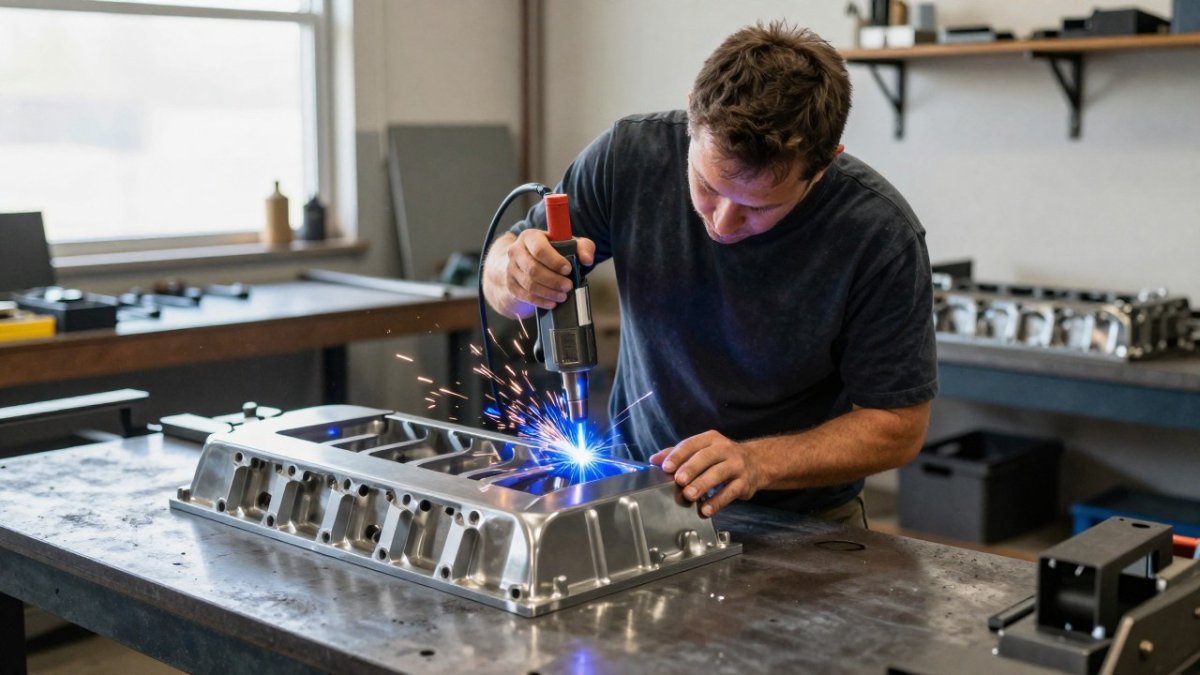
Custom stainless steel accessories for exotics are made-to-fit trim, engine bay, interior, and exterior components fabricated from automotive-grade stainless rather than mass-produced plastic or chrome-plated parts. Custom stainless steel accessories are built by laser-cutting and finishing each component to the dimensions of a specific platform, which is why fitment, not just appearance, separates a real custom part from a generic add-on.
The category covers more ground than most shoppers expect: door sills, hood hinges, engine caps, fuse box covers, radiator shrouds, pedal covers, and interior trim plates all qualify when cut for one model year and finished to a show standard.
Stainless steel accessories are aftermarket components fabricated from corrosion-resistant steel alloys and shaped to fit a specific vehicle application, used to replace or cover factory parts for appearance and durability.
That definition draws a hard line. A universal chrome strip from a big-box retailer is decoration; a laser-cut sill plate sized to a Corvette C8 door opening is a fitted component.
Why Exotic Platforms Change the Accessory Equation
Low-volume cars punish generic parts. An exotic's body panels, engine bay layout, and interior tolerances differ from year to year, and often from trim level to trim level, in ways mass-market cars do not. A bracket that clears the firewall on one model year can foul a hose on the next.
Production numbers compound the problem: fewer cars means fewer off-the-shelf options, so exotic owners end up hunting hard-to-find parts or commissioning custom fabrication, the gap specialty shops fill.
Fitment is the whole game here. A part that needs trimming, drilling, or persuasion to sit flush has already failed, no matter how good the polish looks in a photo.
Stainless Steel vs. Carbon Fiber Car Accessories: Which Suits Your Build
Stainless steel is generally valued for durability, corrosion resistance, and reflectivity, while carbon fiber is generally valued for weight and a woven, technical look. The right choice depends on where the part sits and what you want judges and spectators to see.
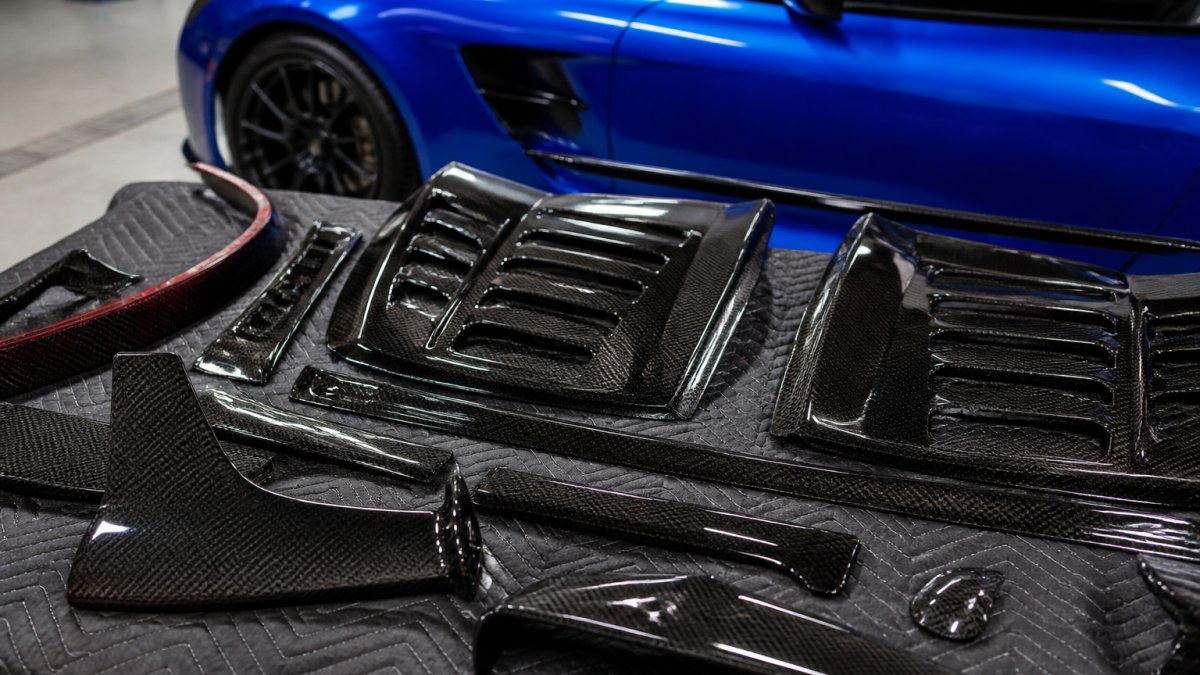
Stainless holds up to heat, road salt, and repeated polishing without losing its finish, reading as classic show-car brightwork. Carbon fiber saves weight and delivers a modern, motorsport-tinged aesthetic, but costs more per piece and can yellow or chip under harsh UV and road debris if the clear coat is not maintained.
A practical split many builders use:
- Engine bay and exterior brightwork: stainless, for heat resistance and shine
- Interior accents and aero-adjacent trim: carbon fiber, for weight and texture
- High-touch areas like door sills: stainless, for scratch resistance
For a deeper side-by-side on cost, care, and installation, our breakdown of stainless steel vs carbon fiber car accessories walks through both materials in detail.
| Factor | Stainless Steel | Carbon Fiber |
|---|---|---|
| Weight | Heavier | Lightweight |
| Corrosion resistance | Excellent | Good, depends on clear coat |
| Heat tolerance | High | Moderate |
| Finish options | Polished, brushed, satin | Woven gloss or matte |
| Best for | Engine bay, sills, exterior | Interior, aero accents |
| Care demand | Low | Moderate, UV protection |
Choosing the Right Stainless Grade and Finish
Grade selection determines whether a part still looks right after three show seasons or starts showing tea-stained bloom around the edges. The two alloys that dominate automotive trim are 304 and 316, and the difference is not cosmetic.
Why Passivation Matters More Than the Grade Label
Even the right alloy can flash rust if it is not passivated after cutting and welding, since laser cutting and welding leave free iron and heat tint that rust first. A proper shop removes it with pickling paste or an acid passivation bath, restoring the chromium-oxide layer that makes stainless stainless. Ask whether passivation is part of the process; a shop that skips it is selling a part with a built-in corrosion site.
Matching Finish to Fabrication Method
The finish is not just a look, it dictates how the part is made and how you care for it.
- Mirror polish is achieved by progressive abrasion up to a fine grit and then buffing. It shows every fingerprint and micro-scratch, suiting trailer queens and engine-bay pieces that rarely get touched, and hides nothing: any undressed weld or bend telegraphs through the reflection.
- Brushed or satin finish uses a directional abrasive belt that leaves a consistent grain, hiding fingerprints, minor scratches, and handling marks, the practical choice for door sills, kick plates, and anything a passenger will touch. Re-brushing a scuff is a local job rather than a full re-polish.
- Powder coating and ceramic coating over stainless add color and an extra barrier, but change the character from brightwork to painted trim and hide the base alloy, so document the grade before coating if resale or authenticity matters.
Fabrication method and finish are linked. Laser cutting holds tolerances tight enough that a polished edge sits flush without hand-filing, while stamped or hand-cut parts often need edge dressing that a mirror finish will expose. If you want a mirror polish, start with a process that produces clean geometry, our guide to laser cut automotive parts covers how cutting precision carries through to the final finish.
A Practical Grade-and-Finish Checklist
Before you approve a quote, confirm four things: the alloy (304 or 316, stated in writing), the thickness (thin gauge flexes and oil-cans under polish; thicker gauge holds contour), the passivation step, and the finish grit or polish level. Those four details separate a part that ages well from one that looks tired by the second season.
Custom-Fit Exotic Car Parts: How Fitment Actually Works
Fitment starts with measurement, not guesswork. A proper custom-fit part is designed from the actual geometry of a specific vehicle application, so it follows the contours of that door sill, firewall, or engine cap rather than approximating them.
What most guides miss is that "fits most models" is a warning, not a feature. A part engineered for one year and trim level sits flush; a part engineered for a range usually needs adjustment somewhere. Coming from a universal part, expect the gap-tolerance difference to be obvious the moment you set it in place.
How to Install Stainless Steel Car Trim at Home
Most stainless trim installs with basic hand tools and no drilling, using pre-applied automotive adhesive or existing factory mounting points.
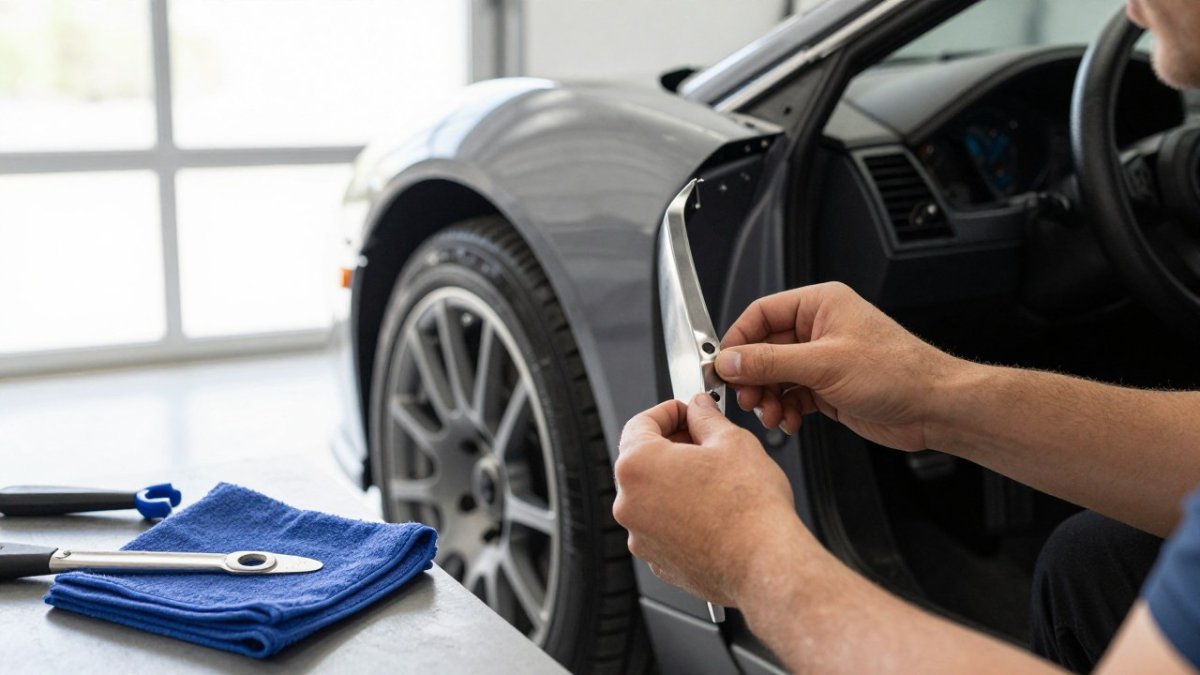
A common mistake is rushing the dry-fit. Once adhesive contacts the panel, repositioning gets messy. For a fuller walkthrough, see our step-by-step guide on how to install stainless steel car trim.
Pricing: Custom Fabrication vs. Off-the-Shelf Stainless Steel Automotive Accessories
Most guides stop at "custom costs more." That is true but useless when budgeting a build. Custom stainless pricing is driven by a handful of factors you can control, and understanding them lets you compare quotes intelligently.
The Cost Drivers Behind a Custom Quote
Tooling and test-fit. A new platform may require a prototype and a test-fit before the final part is cut. That step protects fitment but adds cost, and skipping it is how aftermarket parts end up needing modification.
How the Options Compare
| Option | What Drives the Price | Fit Quality | Best For |
|---|---|---|---|
| Custom fabrication | Complexity, alloy, finish, quantity, test-fit | Exact, model-specific | Show cars, exotics, visible parts |
| Off-the-shelf universal | Volume manufacturing, generic sizing | Approximate | Budget cosmetic add-ons where tolerance is forgiving |
| Officially licensed fitted parts | Licensing, verified tooling, mid-to-high volume | Exact, verified | Owners who want guaranteed fit and authenticity |
What to Send for an Accurate Quote
Pricing depends on details such as the year, make, model, trim, the specific part, and your preferred material and finish. For current prices or a quote, visit the American Car Craft website.
Caring for Stainless Trim Through Show Season and Beyond
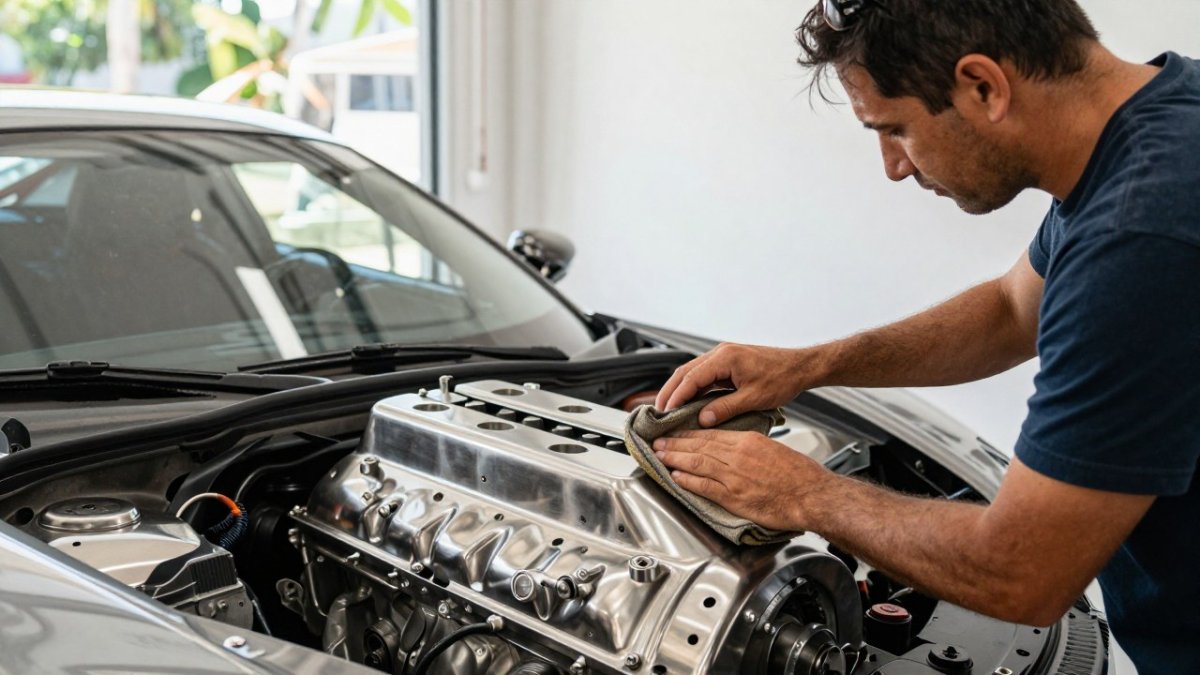
Stainless is generally low-maintenance, not no-maintenance. Regular cleaning with a mild soap solution and a soft cloth helps keep polished surfaces bright.
Avoid abrasive pads and chlorine-based cleaners, which dull the finish and can pit the surface over time. After washing, dry the trim promptly, especially around edges where moisture lingers.
Between shows, a thin coat of automotive wax on polished pieces adds a sacrificial layer that makes bug splatter and road film easier to remove. Store removed trim wrapped in soft cloth, never stacked bare against itself. Our guide on how to clean stainless steel car parts safely covers the full care routine.
Ordering Made-to-Fit Trim for Your Exotic
Ordering starts with the year, make, and model, plus the specific part you want. American Car Craft's products are officially licensed by General Motors, Ford, and Mopar.
American Car Craft handcrafts its premium stainless steel and carbon fiber accessories in Hudson, Florida, with more than 30 years of experience customizing vehicles.
The difference between a good build and an award-winning one usually comes down to the details nobody else gets right. American Car Craft handcrafts officially licensed stainless steel and carbon fiber accessories with precision laser-cut fitment and easy do-it-yourself installation, so your exotic looks the part from every angle. Get started with American Car Craft and give your build the show-stopping finish it deserves.
Frequently Asked Questions
What stainless steel accessories can you add to an exotic car?
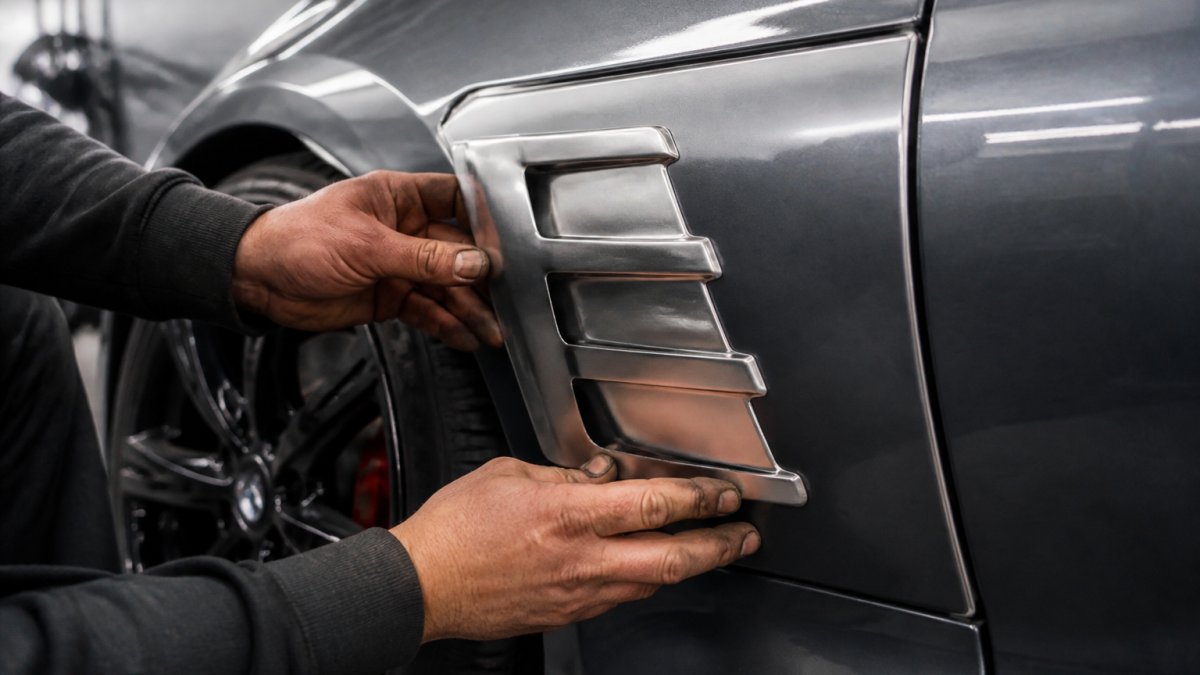
The most common additions are exterior and interior trim pieces: rocker panel accents, door sills, hood and fender vents, grille surrounds, engine bay panels, and interior bezels. Because exotics have tight tolerances and curved bodywork, the parts that hold up best are precision laser-cut pieces made for your specific year and model. American Car Craft's products are officially licensed by General Motors, Ford, and Mopar.
Is stainless steel or carbon fiber better for exotic car accessories?
It depends on the look and the location. Stainless steel reflects light, resists corrosion, and holds a polished or brushed finish for years, which suits engine bays, sills, and trim lines. Carbon fiber is lighter and gives a woven, motorsport look, but clear coats can yellow over time with sun exposure. Many show builds mix both: stainless for brightwork and carbon fiber for panels. Match the material to the panel's job rather than picking one for the whole car.
Can custom stainless steel accessories damage a car's finish?
Not when they are designed for your model and installed correctly. The risk comes from universal parts that require drilling or bending, or from trapped moisture under an ill-fitting piece. Clean and dry the surface before installation, and check the edges for burrs. If a piece needs force to sit flush, it is the wrong part, not a stubborn one.
How do you maintain stainless steel automotive trim?
Wash it with the rest of the car using a mild soap, then dry it with a soft towel to help prevent water spots. Avoid abrasive polishes and scouring pads, which can leave visible scratches. Inspect adhesive edges after winter for lifting, and re-press or replace the tape before it traps grit.